
Data Privacy in Online Utilities: The Paradigm Shift from Cloud Uploads to Local-First Computing
Introduction: The Invisible Privacy Iceberg
In modern digital workflows, we handle sensitive screenshots and graphics daily: proprietary system architectures, financial invoices, family portraits, and debug traces containing API keys.
Faced with quick formatting needs, many professionals instinctively Google a utility, click "Upload Image", and download the converted asset. Yet few pause to ask: What happens to your original files once server-side processing completes?
1. Security Hazards of Legacy Server-Side Architectures
Centralized backend utilities introduce three persistent vulnerabilities:
1. Transit Interception:
* Even over HTTPS, corporate proxy gateways, public hotspots, or misconfigured reverse proxies expose sensitive image binaries to eavesdropping.
2. Server-Side Disk Retention:
* Many platforms buffer uploads on local disks (e.g., /tmp or cloud buckets like S3). While policies often promise "automated deletion in 60 minutes," log aggregations, backup snapshots, and container misconfigurations frequently leave unencrypted files exposed to scraping or data breaches.
3. Algorithmic Harvesting:
* Unscrupulous utilities conceal clauses in their Terms of Service granting royalty-free licenses to scrape user uploads for AI training datasets.
2. Local-First Computing: Physical Data Isolation
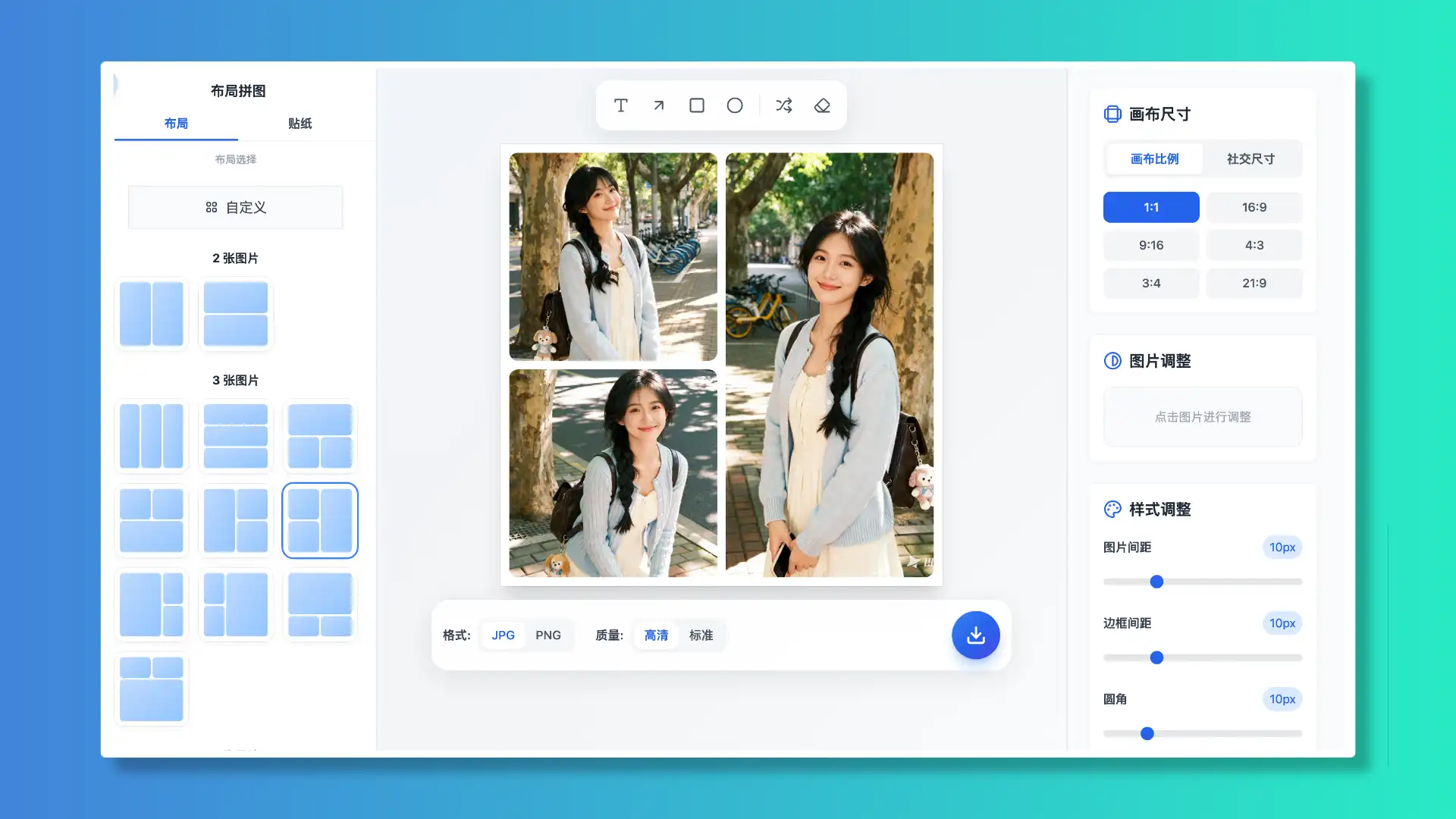
To eliminate surveillance hazards at the root, WoollyPix implements a strict Zero-Server Architecture.
#### Why Local-First Guarantees Absolute Privacy:
* Zero Outbound Bytes:
When you drop photos into Woolly Collage, Smart Slice, Long Stitch, or Screenshot Beautifier, files are read via the browser's native FileReader API directly into local system RAM.
* Open Inspection:
Open your browser's DevTools Network panel (F12). Throughout the entire stitching, cropping, and exporting sequence, not a single POST request containing image binaries leaves your machine.
* Instant Volatile Purge:
Because assets exist exclusively in temporary browser memory buffers, closing the tab instantly triggers garbage collection. No remote server ever holds a copy of your files.
3. Creator Guidelines for Handling Sensitive Visual Assets
* Inspect Network Activity: Verify that your favorite online image editors work seamlessly in offline airplane mode. True local utilities require zero server roundtrips.
* Scrub Identifiers Prior to Distribution: Mask private tokens or personal identifiable information using local annotation overlays.
* Examine Privacy Declarations: Reputable platforms state explicit, legally binding guarantees of zero server storage.
Summary
Security and convenience are not mutually exclusive. Modern browser sandboxes prove that world-class creative tools can run entirely at the edge. Embracing local-first utilities safeguards your creative property and peace of mind.
This article was authored and verified by the WoollyPix Graphics & Frontend Engineering Team based on modern Web APIs and industry standards. All WoollyPix tools run 100% client-side with zero server storage.